
Cotton farmers are starting realize the importance of their trade in safeguarding the environment.
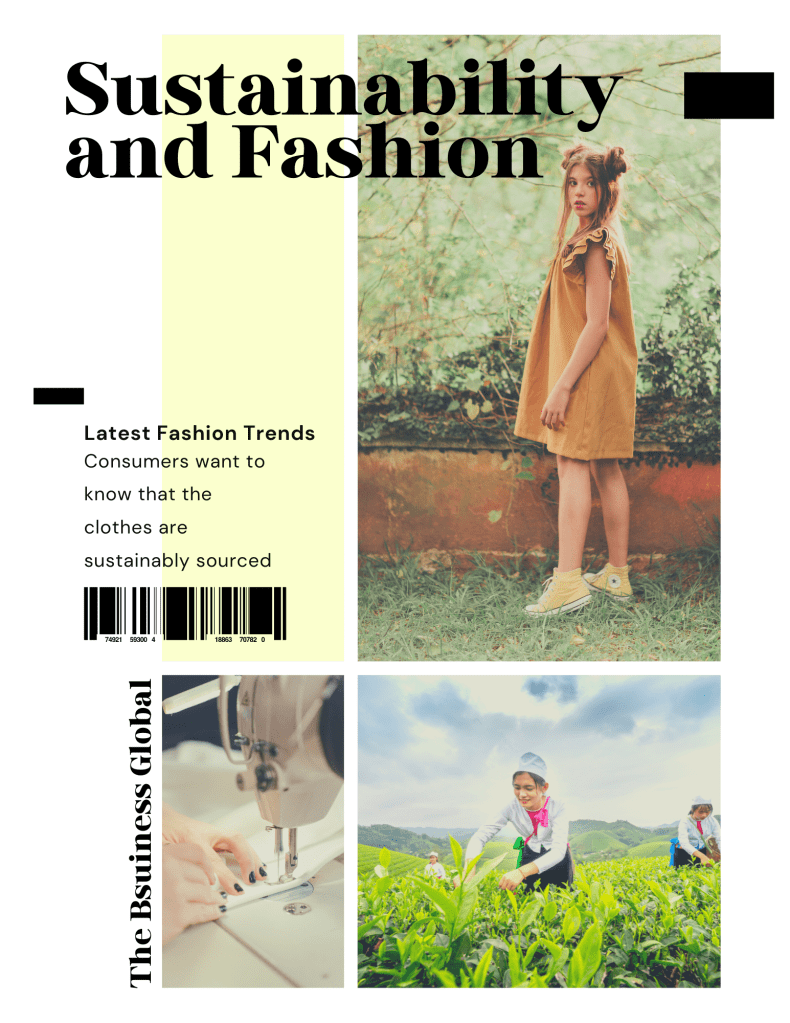
Consumers all across the world want to know that the items in their wardrobes are made in a sustainable manner. While consumer demanding for more sustainable fashion, is putting pressure on global brands and retailers to improving their transparency, providing evidence that sustainable practices are being introduced and enforced across the supply chain.
But, do you think that this is enough?
Minimal tillage, GPS and sensor-driven precision agriculture, and the use of winter cover crops have all boosted soil health, cutting loss and erosion, and raising soil carbon levels.
However, cotton farmers in the United States recognize that they must continually upgrade themselves, their farms and their farming techniques, in order to safeguard and maintain the environment—and, ultimately, to help make more sustainable clothes.
This is where regenerative agriculture may help. Rather than just having a neutral effect on the environment, it aspires for net positives through land-improvement initiatives.
Conservation tillage and the use of cover crops have increased soil health and carbon levels. Although cotton producers in the United States have been using these practices for decades, they have lately been combined under a farming style known as regenerative agriculture.
Regenerative techniques can boost output and naturally minimize the demand for external plant inputs over time.
Regenerative agriculture is not a one-size-fits-all farming method. Instead, it considers a mix of actions that promote resilience while also constructing and nurturing our ecosystem.
When these regenerative approaches are successfully applied, the agricultural ecosystem’s health and farmer economic stability strengthen. Finally, brands, retailers, mills, and manufacturers will be able to supply customers with the certified, data-driven sustainable apparels that they seek.
When it comes to sustainable techniques or regenerative agriculture, there is no finishing line. Individuals and organizations are constantly developing new technology, methods, and research to help producers apply new and creative sustainable practices. People are more concerned than ever about the environment and how their clothing are produced. While the gap between cotton fields in the United States and the runways of global fashion labels and consumer wardrobes may appear wide, the emphasis on regenerative agriculture has never been more powerful.

 The Business Global Magazine